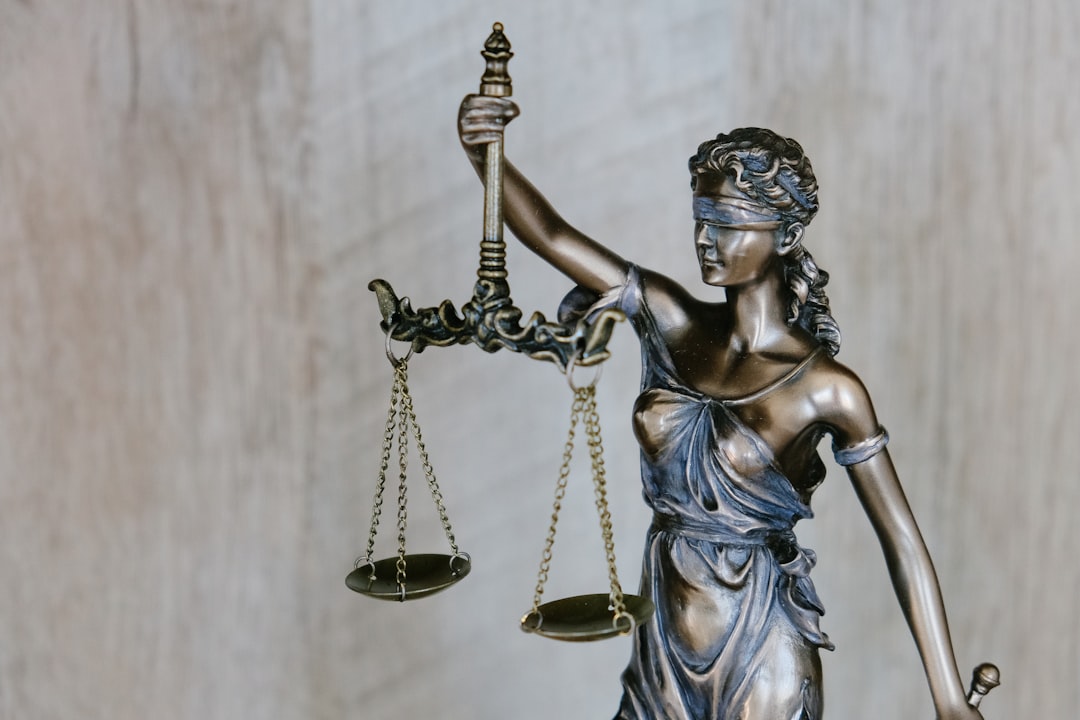
Understanding No-Call Laws in California
Introduction
California's no-call laws are a critical component of consumer protection, designed to shield residents from unwanted telemarketing calls and robocalls. These laws have significant implications for both individuals and businesses within the state. This comprehensive article delves into the intricacies of these regulations, their historical context, economic impact, technological advancements, policy frameworks, and future prospects. Readers will gain a deep understanding of how no-call laws are shaping communication practices in California and beyond.
Understanding No-Call Laws in California
No-call laws in California are part of a broader set of regulations aimed at curbing unsolicited calls to consumers. Enacted under the Federal Trade Commission's (FTC) guidelines and the California Public Utilities Commission (CPUC), these laws provide legal mechanisms for individuals to register their phone numbers on a 'Do Not Call' list, thereby opting out of receiving telemarketing calls.
Core Components of No-Call Laws in California
- National Do Not Call Registry: Consumers can register their telephone numbers in the National Do Not Call Registry to reduce telemarketing calls.
- State-Specific Provisions: California has additional protections that exceed federal regulations, such as stricter penalties for violators.
- Registration and Enforcement: The CPUC oversees the enforcement of no-call laws within California, including fining offenders and compensating affected consumers.
Historical Context
The Telemarketing Sales Rule (TSR) was implemented by the FTC in 1994 to combat telemarketing fraud and abuse. California further strengthened consumer protections with the addition of its own no-call laws, reflecting a commitment to privacy and anti-fraud measures.
Significance within the Broader Landscape
California's no-call laws serve as a model for other states and countries, influencing global standards for consumer protection against nuisance calls. They are part of a larger conversation about data privacy and the balance between business interests and individual rights.
Global Impact and Trends
International Influence
California's no-call laws have influenced similar regulations worldwide, prompting international bodies to consider stricter telemarketing standards. The impact is evident in the EU's General Data Protection Regulation (GDPR) and other regional privacy laws.
Key Trends Shaping Trajectory
- Increasing Legal Scrutiny: As telecommunication technologies evolve, so do regulations to protect consumers from invasive calls.
- Adaptation of Marketing Strategies: Businesses are adapting by leveraging more consensual and customer-friendly marketing methods.
- Emergence of New Technologies: Innovations in caller ID verification, call blocking apps, and AI are providing additional layers of defense against unwanted calls.
Regional Affects
No-call laws have a pronounced effect on regions with high telemarketing activity, influencing both the volume of sales calls and the approach to customer engagement.
Economic Considerations
Market Dynamics
The implementation of no-call laws has shifted market dynamics, forcing businesses to adopt more ethical and targeted marketing strategies to avoid penalties and maintain consumer trust.
Investment Patterns
Companies are investing in compliance software, customer relationship management (CRM) systems, and technology to authenticate legal calls and reduce the risk of accidental violations.
Role in Economic Systems
No-call laws play a dual role: protecting consumers and ensuring a fair marketplace where legitimate businesses can operate without being unfairly tarred by the actions of scammers or irresponsible marketers.
Technological Advancements
Significant Technological Developments
- Caller ID Authentication: Technologies like STIR/SHAKEN are improving caller ID reliability, authenticating legitimate calls and flagging potential spam or scams.
- AI in Fraud Detection: Artificial intelligence is being used to predict and prevent fraudulent calling activities, enhancing the effectiveness of no-call laws.
- Blocking Apps and Services: Users can now employ apps that use AI to detect and block unwanted calls, significantly reducing the impact of nuisance calls.
Impact and Future Potential
The advancements in technology are expected to further reduce the incidence of unwanted calls, providing a more secure communication environment for consumers.
Policy and Regulation
Key Policies and Regulations
- Registration Process: Consumers can register their numbers with both the federal and state do-not-call lists.
- Compliance Measures: Businesses must comply with these laws, or face penalties, including fines and legal action.
- Legislative Frameworks: The CPUC and FTC regularly update regulations to keep pace with evolving telecommunication technologies and methods used by scammers.
Influence on Development
Regulations have been instrumental in shaping the development of no-call laws, ensuring they remain effective against new threats while protecting consumer rights.
Conclusion
California's no-call laws are a testament to the state's commitment to data privacy and consumer protection. These laws not only safeguard consumers from nuisance calls but also foster an environment where businesses can thrive through ethical practices. As technology evolves, so too will these laws, adapting to new challenges and ensuring that the right balance is maintained between consumer rights and business interests.
Note: The above content provides a comprehensive overview of no-call laws in California, including their historical context, economic impact, technological advancements, and policy frameworks. However, for the most current information or specific cases, it is advisable to consult the latest guidelines from the FTC, CPUC, or legal experts in the field.
October 21, 2025
No Call Laws California Expert
California's strict No Call laws, enforced by the FTC and state agencies, protect residents from unwanted telemarketing calls, especially in family-centric areas like Santa Clarita. No Call Lawyers California play a vital role in upholding these regulations, blocking intrusive phone calls, educ.......
Read more →
October 19, 2025
No Call Laws California Expert
California's "no call" laws, regulated by the CPUC and enforced by No Call Attorneys, protect residents from unsolicited telemarketing. Businesses must obtain prior express consent for calls to residential and business numbers, with strict opt-out procedures. In Oxnard, these laws hav.......
Read more →
October 17, 2025
No Call Laws California Expert
California's strict "No Call" laws, enforced by the CTCPA, regulate telemarketing calls. Businesses need explicit consent for automated marketing, facing fines for violations. Spam Call law firms adapt to these regulations by focusing on targeted, legitimate marketing and consumer pri.......
Read more →
October 15, 2025
No Call Laws California Expert
California's Telemarketing Laws, enforced by No Call Attorneys California, protect Visalia residents from unwanted phone marketing. Businesses need explicit consent and adhere to strict timeframes and frequencies. Residents can refuse solicitations, remove numbers from lists, and enjoy limited.......
Read more →
September 23, 2025
No Call Laws California Expert
California's TCPA restricts telemarketing without consent, with severe penalties. "No Call Law firms California" help businesses comply, avoiding fines and enhancing customer satisfaction. These laws protect residents from unwanted calls, with exemptions for charities, non-profits, B2.......
Read more →
September 19, 2025
No Call Laws California Expert
California's "No Call" laws protect residents from unwanted telemarketing calls, requiring companies to obtain explicit consent. Santa Barbara residents benefit from reduced harassment and enhanced privacy thanks to these stringent protections. A specialized lawyer for No Call Laws Ca.......
Read more →
September 16, 2025
No Call Laws California Expert
California's "no call" laws protect residents from unwanted phone calls and telemarketing by restricting businesses without explicit permission. Violations can be addressed by consulting a No Call Attorney California, who specializes in consumer protection laws and guides residents th.......
Read more →
September 14, 2025
No Call Laws California Expert
California residents, including those in Elk Grove, are protected from telemarketing scams by laws like CCPA and TCPA. Verify caller identity, protect personal info, and register for "Do Not Call" lists. Reporting suspicious calls to No Call Attorney California aids in combating scams. Reg.......
Read more →
September 12, 2025
No Call Laws California Expert
California's No Call Laws protect Sunnyvale residents from unwanted telemarketing calls by empowering them to take legal action through the FTC or state AGs if they receive unauthorized calls, including from No Call Lawyers California. By registering on the Do Not Call list and understanding th.......
Read more →
September 10, 2025
No Call Laws California Expert
California's No Call Lawyers initiative protects Inglewood residents from unwanted telemarketing calls, offering legal guidance and representation to those whose privacy rights have been violated. Businesses must comply with strict Do Not Call list regulations or face penalties, while consumers.......
Read more →